How to Improve Car Mileage and Maintain Consistent Driving Efficiency
A guide focused on better gas use shows everyday ways to stretch each tank while keeping your car running steady. Distance covered per gallon depends heavily on how you drive, where you go, and what shape your machine is in. Things like speed changes, tire pressure, or even weather play roles behind the scenes. Your foot on the pedal matters just as much as routine checkups under the hood.
One reason people now want better gas mileage is because fuel costs bite harder each day. Since pollution worries weigh on minds, smarter driving habits matter more than before. Instead of buying new parts, many choose small changes behind the wheel. Checking tire pressure often helps, so does slowing down on highways. A steady foot on the pedal cuts waste, plus coasting early before stops adds up. Little things - like removing roof racks when unused - trim drag without effort. Over time these choices stretch each gallon further, quietly reducing trips to the pump.
Most people just want their car to sip gas instead of gulp it. This handbook shows simple ways that actually work. A few small changes add up when you drive each day. Paying attention helps stretch every tank further. Little choices behind the wheel make a difference over time.
Importance
Drivers often overlook the way they press pedals - yet that shapes gas use more than most think. A guide focused on better mileage shows exactly what shifts matter behind the wheel. Instead of guessing, people see clear links between habits and fuel numbers. Tiny tweaks, like easing off sooner before stops, add up quietly over time. How a car moves down roads ties closely to choices made in real time. Efficiency isn’t just about engines - it lives in moments when someone decides to slow gradually.
Its Significance Shows Up in Various Ways
Reduced Fuel Costs
Drivers who pay attention to their fuel habits often find ways to cut back on waste.
- Noticing patterns in usage leads some to skip extra trips.
- When people see what burns gas, they tend to change small things.
- Watching the numbers can mean fewer stops at pumps.
- Realizing how driving choices add up makes a difference over time.
Better Vehicle Performance
- Smooth engine function comes from steady driving habits.
- A regular pace helps maintain efficiency over time.
Lower Environmental Impact
- Burning less gas means fewer fumes in the air.
- Cleaner engines leave a lighter mark on nature.
Longer Driving Range
- Because it uses less fuel, you can go farther each day without stopping.
- Going long distances becomes easier when fills are needed less often.
Useful for All Drivers
Most people behind the wheel feel some effect:
- City commuters
- Long-distance riders
- Delivery workers
When roads clog up, small mistakes at the pedal pile on extra gas burn.
Common Fuel-Wasting Habits
Most of the time, people behind the wheel aren’t even thinking when they floor the gas or let the engine run too long.
- A lack of attention leads straight to wasted fuel.
- Revving at red lights uses more gas than necessary.
- Creeping forward too aggressively reduces efficiency.
- Small habits slowly cut down how far each tank can go.
Recent Updates
Driving habits are changing because gadgets give instant feedback on gas use. Some cars today flash numbers right before your eyes, showing how much fuel they sip at that moment. When folks see those updates live, choices behind the wheel begin shifting without thinking twice.
Eco-Driving Modes
Now you see them on more cars.
- Eco-driving settings tweak how the engine runs.
- Gear shifts become gentler.
- Fuel consumption decreases during daily driving.
Smarter Navigation Technology
Drivers now get smarter directions that dodge heavy traffic.
- Less waiting means less gas wasted.
- Navigation systems help avoid congestion.
- Routes can be optimized for efficiency.
Automatic Start-Stop Systems
When cars sit still, fuel burns less thanks to engines that shut off by themselves.
- Hybrid systems support this feature.
- Newer engine designs improve fuel savings.
Online Learning Resources
Folks are starting to notice smart driving tips more often these days.
- Online tools teach fuel-saving methods.
- Educational lessons explain practical techniques.
- Drivers can learn at their own pace.
Laws or Policies
Most cars today get better gas use because rules push cleaner engines. Pollution limits set by India's Bharat Stage norms shape how vehicles are built. When a car burns less fuel, it usually meets those pollution caps more easily.
Fuel Economy Standards
Driving less aggressively can help achieve fuel economy closer to official ratings.
- Test figures provide a benchmark.
- Real-world driving habits determine actual results.
Traffic Management Rules
Stopping and going too much burns extra fuel.
- Speed regulations help traffic flow.
- Lane discipline improves efficiency.
- Road management affects fuel consumption.
Environmental Awareness Campaigns
Drivers often change how they drive when programs highlight cleaner habits.
- Less fuel gets burned.
- Air quality benefits from improved driving practices.
Fuel Consumption and Emissions
Fuel choices shift when drivers change behavior behind the wheel.
- Smoother driving often reduces emissions.
- Driving habits directly influence environmental impact.
Tools and Resources
A better way to get more miles per gallon starts with knowing how you drive. Tools show patterns, then changes happen. Watching fuel use closely leads to smarter choices on roads. Resources guide adjustments without guesswork involved.
Common Tools
Fuel Consumption Monitor
- Tracks fuel usage in real time.
- Helps identify wasteful habits.
Driver Information Display
- Shows speed and engine performance.
- Provides efficiency-related data.
Cruise Control
- Maintains a steady speed on highways.
- Helps reduce unnecessary fuel use.
Tire Pressure Monitoring System
- Tracks tire inflation levels.
- Helps improve rolling efficiency.
- Supports better fuel economy.
Digital Resources
Navigation Apps
- Suggest routes that reduce travel time.
- Help avoid traffic congestion.
Driving Analysis Apps
- Provide feedback on driving patterns.
- Highlight areas for improvement.
Vehicle Manuals
- Offer guidance on efficient operation.
- Explain maintenance recommendations.
Online Educational Platforms
- Explain mileage improvement techniques.
- Share practical driving advice.
Mileage Improvement Factors
Factors That Influence Fuel Efficiency
| Factor | Impact |
|---|---|
| Driving Speed | A steady pace helps reduce fuel consumption |
| Acceleration Habits | Gentle acceleration saves fuel |
| Tire Condition | Proper inflation improves efficiency |
| Engine Maintenance | Clean, well-maintained engines perform better |
| Traffic Conditions | Congestion increases fuel usage |
Ways to Improve Fuel Efficiency
Drive Smoothly
Most fuel savings start with how you press the gas.
- Accelerate gently.
- Avoid sudden bursts of speed.
- Maintain a steady pace whenever possible.
Use Cruise Control
Cruise control is not magic, yet holding one pace keeps fuel use lower.
- Especially effective on highways.
- Helps maintain consistent speed.
Reduce Idling
Stopping less means saving more.
- Turn off the engine during long waits.
- Avoid unnecessary idling whenever possible.
Plan Trips Ahead
- Combine errands into one trip.
- Avoid heavily congested routes.
- Use navigation tools before departure.
Maintain Your Vehicle
A well-maintained car tends to perform better over time.
- Keep tires properly inflated.
- Replace dirty air filters.
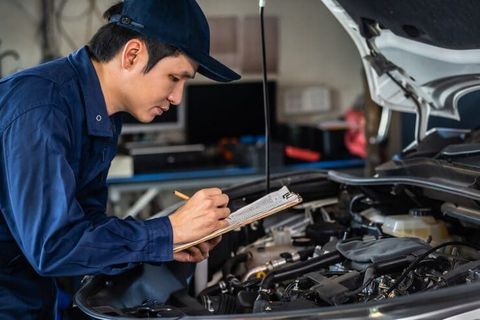
- Schedule routine inspections.
- Remove unnecessary weight from the vehicle.
Maintain a Consistent Speed
Most of the time, going a steady pace keeps the motor working without wasting gas.
- Avoid harsh braking.
- Limit rapid acceleration.
- Drive smoothly whenever possible.
FAQs
What Is an Improve Car Mileage Guide?
A guide designed to help drivers improve fuel economy through practical driving habits, routine maintenance, and efficient vehicle use.
Does an Improve Car Mileage Guide Help Daily Drivers Save Fuel?
Yes.
Driving style, tire pressure, route selection, weather conditions, and maintenance all affect fuel consumption. Small adjustments can lead to noticeable savings over time.
How Can You Get Better Gas Mileage Easily?
Some simple methods include:
- Driving at steady speeds
- Maintaining tire pressure
- Reducing engine idling
- Accelerating smoothly
- Avoiding unnecessary weight
Does Driving Speed Affect Car Mileage?
Yes.
Higher speeds generally require more fuel. Maintaining a moderate, steady speed often improves fuel efficiency.
Can Beginners Follow an Improve Car Mileage Guide Easily?
Absolutely.
The guide focuses on simple habits that anyone can adopt. Small changes become easier with practice and often show results quickly.
Conclusion
A step-by-step guide to better gas mileage shows how small choices add up. Instead of rushing, gentle acceleration keeps the engine steady. Well-inflated tires roll easier, cutting down resistance along the road. Computers inside today's cars signal when something runs off track. Over weeks, calmer braking leads to fewer stops that waste fuel. Planning ahead means skipping traffic-heavy roads before leaving.