How These 3 Sub Compact EVs Could Transform Everyday Electric Driving in India
Tiny electric cars now show up more often on Indian roads. Though they take less space than regular sedans, their size works well in cities full of jams, tight spots to park, also trips that never go too far.
One reason small electric cars might shift how people drive daily in India ties into bigger shifts across transport. Because batteries are improving, roadsides now see more chargers appearing. Designs change too, opening doors for many kinds of users to join the switch. What once felt out of reach now rolls closer due to smarter engineering.
Small electric cars aim to handle everyday travel without relying on gas-guzzling models. Because they take up less space, getting around crowded streets becomes simpler. Instead of roaring engines, quiet motors deliver smooth motion. Driving one feels unlike anything powered by gasoline.
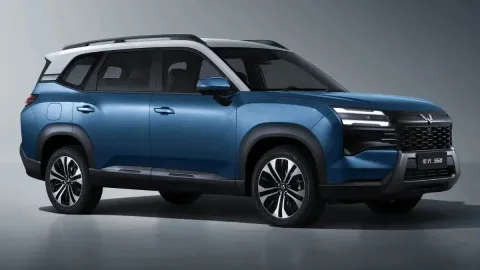
Among India's compact electric cars, the Tata Tiago EV stands out alongside the MG Comet EV and the Citroen eC3. While one leans on familiar hatchback roots, another borrows from quirky city runabouts, yet a third mixes bold design with practical needs. Their differences show how varied paths can shape daily commutes. Though small, these models signal shifting ideas about getting around towns without noise or fumes.
Importance
Small Electric Cars Are Important
City life in India is getting busier, pushing more people to need smarter ways to get around. Though small, these electric cars handle tight lanes better. Traffic jams bother them less compared to bigger models. Parking in cramped spots? That’s where they tend to shine.
Out on city streets, electric cars quietly hum past gas stations that once dominated corners. Charging spots now pop up where parking meters used to be, shifting how people think about fuel stops.
Who Is Affected
The rise of sub-compact EVs can affect several groups, including:
- Urban commuters
- Small families
- First-time electric vehicle users
- Daily city travelers
- Individuals with shorter commuting distances
City dwellers often find these vehicles fit their daily routes best. Suburbs too see plenty of use thanks to short commutes and local errands shaping how folks move about.
Common Problems They Solve
Little electric cars come up a lot when people talk about everyday travel problems like:
- Heavy city traffic
- Limited parking availability
- Daily commuting requirements
- Noise pollution concerns
- Fuel consumption management
Small shape plus battery-driven engines aim to tackle urban issues where space and pollution matter most.
Recent Updates
Growth of India Electric Vehicle Market
Now showing up more often on city streets, electric cars in India are drawing interest from buyers who used to ignore them. Factories respond by rolling out new versions, especially tiny ones that fit tight urban roads. Government plans nudge things forward, quietly shaping choices behind the scenes. Even small towns start seeing charging spots appear near markets and bus stops. Choices grow wider each season, not just in price but size too.
Folks are paying more attention to different ways of getting around these days - new kinds of transport keep popping up. Not everyone sticks to the usual options anymore; something fresh seems to pull their curiosity.
Advances in Battery Tech
Battery life and performance get more attention now, thanks to steady tweaks by makers aiming at real-world reliability. These upgrades help cars handle different roads better, mainly because of smarter power handling behind the scenes.
Faster cooling methods along with smarter power tracking now help cars run better. Performance gains come not just from stronger engines but through careful heat control combined with real-time energy checks across the system.
More Charging Stations Being Built
Nowhere near complete, yet chargers pop up more often along city streets and major roads. You might spot them at malls, commuter stops, workplaces - places people already go. Slowly, they’re harder to miss.
Electric cars are becoming more common because of this change.
Connected Vehicle Features
Some recent electric cars come with digital tools like these:
- Smartphone connectivity
- Remote vehicle monitoring
- Navigation systems
- Charging status tracking
- Energy consumption displays
These features help drivers understand vehicle operation and charging needs more effectively.
Laws or Policies
Government Backs Electric Vehicles
From rooftops to roads, India's pushing new ways to get people moving on electricity. Not just about cars - these moves tie into bigger plans that clean up transport while using power smarter.
How rules apply can differ depending on where you are. Some areas follow one version, others adjust slightly based on location.
Vehicle Safety Regulations
Starting off, electric cars need to meet safety rules set by transport agencies. Things like braking distance show up in those guidelines because they matter a lot. Crash resistance plays a role too since impacts happen now and then. Battery containment gets checked so leaks stay under control. Visibility standards make sure drivers see clearly ahead. Protection from electrical shocks comes into play given high voltage systems inside. Emergency shutdown functions exist just in case something goes wrong suddenly. Testing procedures back each of these points thoroughly.
- Crash protection
- Battery safety
- Electrical system protection
- Occupant safety measures
- Vehicle performance standards
Before any car hits the road, makers must follow set rules. Meeting those guidelines comes first. Only then can models be sold.
Charging Infrastructure Guidelines
Still, government bodies alongside trade groups push ahead crafting rules for where chargers go. Safety during setup and daily use gets a boost from these structures. What matters grows clear when planning meets real-world needs on city streets.
Registration and Compliance
Fees for driving appear once you own an electric car, just like regular ones. Rules about paperwork come from agencies that manage travel on roads. Coverage protects drivers financially when operating these machines daily. Staying legal means following guidelines set long before batteries replaced fuel.
Tools and Resources
EV Range Calculators
Starting out, range calculators give drivers an idea of possible travel distance based on various situations. Because habits behind the wheel differ, these estimates adjust using personal driving patterns instead. Battery size plays a role too - larger packs tend to push numbers higher. Weather changes can pull those predictions down just as fast. So temperature swings matter more than some expect. Outside elements like hills or city traffic shift outcomes quietly.
Charging Station Locators
Drivers find nearby charging spots using tools that map stations along a route. These platforms show open ports close by or ahead on your trip path.
Government Transportation Portals
Official transportation websites often provide information regarding:
- EV regulations
- Registration procedures
- Safety standards
- Charging infrastructure initiatives
Vehicle Comparison Platforms
Looking at different sites makes it easier to check electric car details like battery size, driving range, charging speed, motor power, cargo room, seating space, safety features, tech inside the cabin, price tags, warranty coverage, service network access, and how long repairs usually take.
- Battery capacity
- Driving range
- Charging options
- Passenger space
- Safety features
Three Small Electric Cars
| Vehicle | Description |
|---|---|
| Tata Tiago EV | Electric hatchback for city commutes |
| MG Comet EV | Compact design suited for tight urban spaces |
| Citroen eC3 | Electric hatchback built for regular use around town |
Three Small Electric Cars Changing Daily Drives
Tata Tiago EV
A small electric car, the Tata Tiago EV fits neatly into city life. Though tight on the outside, room inside matches plenty of regular hatchbacks. Driving through streets feels natural thanks to its shape. Space for people and things stays practical without surprise.
A fresh take on daily driving shows up when a car brings together the usual small-car feel and an electric powertrain. This mix sparks talk around real-world EV use simply by feeling normal yet running quiet.
MG Comet EV
Small by design, the MG Comet EV fits tight city streets with ease. Built for busy towns, its size helps it twist through traffic better.
Small size makes it a common topic when talking about city driving and fitting into tight spots. What stands out most is how easily it handles crowded streets and limited spaces.
Citroen eC3
Starting with a small frame, the Citroen eC3 brings electric power into a shape you’d recognize from regular city cars. Instead of reinventing the wheel, it reshapes what we already know - using battery tech inside a practical body. While some brands go futuristic, this one sticks close to classic lines, yet swaps fuel for charge. Because needs stay similar, its layout stays useful, just powered differently. So while motors change, the way people fit inside does not.
What you see stems from a push to fit electric travel into everyday urban and neighborhood commutes. Though sleek, it’s built around real use, not just looks. Driven by routine needs, the shape follows how people actually move through towns and outer areas. Smooth lines come not from flair but function shaped by daily trips. Each curve answers to stoplights, side streets, short hauls.
Possible Changes for Daily Drivers
Easier Urban Mobility
Smaller electric cars fit better where space is tight. When streets get packed, their size makes slipping through easier. Driving one feels different when every inch matters. Tight corners? Less of a problem. Power comes from batteries, so no fuel needed. Getting around town turns quieter, too. Cities weren’t built for big vehicles - this matches the scale. Charging happens close to home. Parking shrinks down to match. Moving people without moving bulk becomes possible.
Reduced Noise Levels
Most electric cars make less noise than gas models when moving slowly. Because of that sound difference, people talk more about how cities handle traffic.
Energy Efficiency
Stopping and going in traffic? That’s where electric motors really shine. Unlike traditional engines, they manage power in a way that suits urban rhythms far better.
Changing Ways of Getting Around
One step at a time, better roads for plugging in cars could let tiny electric models fit more naturally into how people move across India. While big changes roll out slowly, small-sized EVs might quietly become harder to ignore in daily commutes. With each upgrade in battery life or city planning, these compact vehicles find new space on crowded streets. Instead of fading away, they adapt - matching pace with shifting needs and tighter urban layouts.
FAQs
Among electric cars in India, three smaller models come up often. One is made by Tata, known for its local roots. Another rolls out from MG, a brand with British ties but Chinese ownership now. The third appears under Hyundai’s name, bringing global design into the mix.
Among India’s city-focused electric options, the Tata Tiago EV stands out alongside the MG Comet EV and the Citroen eC3. These small EVs often come up in conversations about practical urban transport.
What might change for daily electric travel in India because of these three small-sized EVs?
Compact size could help them fit better in urban spaces. Their electric engines might make short trips more practical. Daily travel routines often match how they’re designed. One thing leads to another when you think about crowded streets.
Are sub-compact EVs suitable for urban transportation?
True. Because they’re compact, getting around tight streets feels simpler. Parking in busy areas? Less hassle most of the time.
Why are sub-compact EVs becoming more popular?
More people are noticing electric vehicles lately. Charging stations now pop up in many places. City transport demands keep rising too. That shift has slowly pulled focus toward this kind of transport option.
What resources can help drivers understand electric vehicles?
Drivers exploring electric cars might turn to range estimators first. Charging spot finders often come in handy when planning trips. Government transport portals sometimes offer clear details on incentives. Vehicle match services let users weigh options without pressure. Helpful resources exist beyond manufacturer claims.
Conclusion
One way cities see change is through cars like the Tata Tiago EV, while the MG Comet EV also plays a role, yet the Citroen eC3 shows another path forward. Because city life shifts, so does what people want from their rides - small size helps, just as power from electricity matters more now. Charging spots grow slowly, though better batteries arrive faster, even when digital links inside cars evolve quietly. When you look at such models closely, patterns emerge about how normal commutes might shift across Indian roads.