Discover How Connected Car Technology Enhances Driving Convenience and Safety
Out on the road, a car might tap into online networks, reaching beyond its own frame. Communication happens live, sometimes speaking to nearby vehicles or traffic signals down the block. Information flows both ways, quietly updating what's known about speed, location, or weather ahead. Drivers get access to fresh details without lifting a finger. These links build awareness, slowly changing how people interact with their journey.
Out on the road, cars started by knowing where they were going. Since then, better signals between machines, sharper awareness through detectors, together with faster thinking inside computers, turned them into smart movers that sense what's around.
Inside modern cars, tech helps drivers find routes using satellite signals. A separate system allows locking or starting the car from a distance. Music, apps, or video play inside the cabin without needing outside devices. Sensors watch how the engine runs, sending updates the moment something shifts. Vehicles talk to city lights or road signs to adjust timing or speed automatically. Software built into the dashboard ties everything together smoothly. Tiny detectors around the body feed data constantly. Information flows both ways through internet-linked services running off large remote servers.
Nowadays, cars that link online show up more often on roads used every day or for business. These vehicles mark a shift - helping travel feel smoother while making time behind the wheel better.
Importance
Drivers get timely updates through smart vehicle systems, making travel less stressful. Because alerts happen instantly, reactions tend to be quicker when hazards appear ahead. With assistance built into modern cars, choices during trips become simpler to manage. These tools respond fast, so people often avoid risky moments more easily.
- Getting around becomes easier when drivers get real-time alerts on jams, detours, or closed roads - this means fewer delays. Instead of sitting still in heavy flow, they adjust paths quickly thanks to fresh route options popping up along the way.
- Drivers get warnings about dangers ahead because linked tech keeps an eye on things. When something goes wrong under the hood, the car might already know before its owner does. Help arrives faster during crises since systems speak up automatically.
Connected Car Technology tackles everyday driving issues
Safety Alerts
- Warnings pop up when dangers appear nearby, cutting down crashes. Obstacles get flagged before they cause harm, thanks to real-time signals. Risky situations trigger instant notifications, shifting driver response times. Hazards ahead become visible earlier, changing how people react on roads.
Real-Time Navigation
- Drivers see faster paths when updates shift their way. Traffic data flows live, reshaping choices mid-drive. Routes adapt before delays take hold. Movement changes fast - directions keep pace without lag.
Vehicle Monitoring
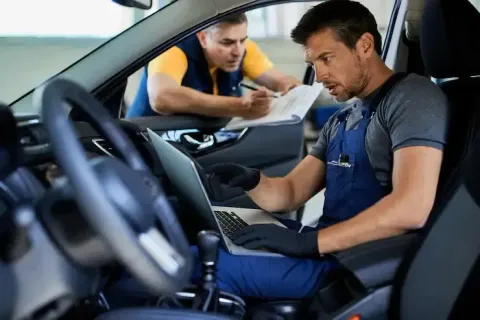
- Watch how your car runs, so it can tell you when something goes wrong. A quiet alert appears if trouble shows up under the hood. Performance checks happen without asking, keeping surprises rare. Problems get mentioned early, before they grow loud or costly. This way, small hiccups do not turn into long waits at a shop.
Remote Access
- Remote access makes it easier to manage car features from a distance. With internet links, drivers handle tasks without being near the vehicle. Functions respond through digital signals sent across networks. This setup allows changes anytime, even when away from the car. Controls adjust using connected devices instead of physical keys.
Every day, drivers find the ride easier, better protected, with clearer awareness of what's happening around them.
Recent Updates
Cars now talk to traffic lights because tech moves fast. Not just drivers behind wheels anymore - roads join the chat too. Signals share data when a car rolls near, thanks to faster networks. Machines swap alerts without humans pressing buttons. Driving changes quietly as cities learn to listen. Roads know what cars need before trouble shows up. No more waiting - the system adjusts itself mid-flow. Other vehicles whisper warnings ahead of slowdowns. This shift runs on smarter software and instant links. Everything connects so nothing misses a beat.
Latest Developments
- Drivers now see more vehicles equipped with smart aids that help steer steady within lanes. Through cameras paired with sensors, warnings alert drivers to potential crashes ahead. Cruise control adjusts speed based on traffic flow thanks to real-time data. These features work together without taking full command of the car.
- Out there, cloud systems are stepping into the spotlight. Data from cars gets saved and worked on far away, opening doors like fixing issues without touching the vehicle or sending upgrades through wireless signals.
- Inside cars, more people now rely on voice commands alongside virtual helpers. Because hands stay free, operating maps or music happens through speech instead. Talking replaces touching when sending messages or choosing songs while driving.
- Besides cars running on electricity or mixed power, new models now track how well batteries work by linking up online. Instead of guessing, they adjust energy habits through live updates from their network connections.
Laws or Policies
When it comes to Connected Car Technology, rules about how data is handled play a big role. Safety requirements shape the way vehicles interact with digital networks. Standards for communication steer how devices exchange information. Because of these guidelines, systems stay secure while sharing data. User details remain shielded under current laws. How cars connect today depends heavily on what regulations allow.
Out on Indian roads, rules like the Motor Vehicles Act shape how cars meet safety needs. When gadgets link up inside vehicles, following those guidelines becomes key for staying secure while driving. Not meeting them? That could mean trouble during use.
When it comes to tracking what cars do, rules like the Digital Personal Data Protection Act step in. These set clear lines on who gets to gather details and how far they can go. Security isn’t optional - makers of vehicles need strong safeguards in place. Permission matters just as much as safety during setup. Whoever runs these systems has to prove users agreed first. Following through consistently keeps everything above board.
Other relevant regulatory aspects include:
Safety Standards
- Connected systems must never put drivers at risk. Safety rules exist so cars stay safe to operate. These guidelines keep technology from interfering with control. Driving remains priority one when features are added. Protection comes before convenience every time.
Data Privacy Regulations
- Data privacy regulations, protecting personal and vehicle-related information.
Communication Protocols
- Messages between cars and roads follow set rules. These guidelines shape how machines exchange data. Networks talk to vehicles using fixed patterns. Systems link through arranged signals. Roadside units respond in expected ways. Devices connect by repeating steps. Information moves along planned paths.
Cybersecurity Guidelines
- Cybersecurity guidelines, preventing unauthorized access to vehicle systems.
Trust grows when rules guide how people interact with smart vehicle systems. Ways to act properly come from clear expectations built into each feature.
Tools and Resources
From dashboards that talk to cloud networks, gadgets pop up everywhere in connected cars. Instead of working alone, systems now swap info through wireless links. Some pieces gather speed or location details while others adjust settings on the fly. With software layers stitching parts together, updates roll in without a hitch. Real-time signals move between sensors and servers, making responses quicker. Through these bridges, cars understand road patterns better. Functions once separate now flow as one smooth operation.
Common categories include:
Telematics
- Flying through wires, telematics grabs what your car does. Information hops from engine to screen without stopping. This flow never sleeps, feeding details into distant computers. Machines talk using pulses hidden in plain sight.
GPS Navigation
- Guided directions appear live on screen during travel. Moving maps adjust as location changes. Route details update constantly while driving. Position tracking happens continuously through satellite signals.
Mobile Applications
- Apps on phones let people reach car functions from far away. Some tools inside cars respond when touched through screens elsewhere. Remote actions happen without being near the machine itself.
Cloud Platforms
- Floating above hard drives, clouds hold driving details. Information rides on servers instead of steel boxes. These systems study every turn, stop, and start. Data breathes inside digital space, watching patterns form. Machines sort through miles without touching pavement.
Sensors and Monitoring Tools
- Some tools spot changes around cars. Others check what happens nearby. A few watch road situations closely.
Brief Overview of Connected Car Technology Parts
Telematics Unit
- What moves the car forward? A Telematics Unit pulls together details about how it runs, then sends them off.
GPS Navigation
- Where is it right now? GPS Navigation figures out position, shows paths to follow across maps.
Sensors and Cameras
- Seeing what’s around happens through Sensors and Cameras - they catch nearby motion, check internal states too.
Connectivity Module
- A Connectivity Module links up - talks to wireless systems, reaches outside tools without wires.
Cloud Integration
- Data floats into Cloud Integration afterward - it holds everything somewhere far away, makes sense of signals later.
Connected cars often run systems like Android Auto alongside Apple CarPlay, while some rely on custom-built telematics crafted directly by car makers.
From time to time, learning materials like car tech handbooks show people the way these linked tools work. Safety instruction booklets give clear pictures of what happens inside smart vehicles. User guides break down each step so understanding grows without confusion. Through them, everyday users see how signals travel and parts respond.
FAQs
Connected Car Technology Explained?
Out on the road, cars now tap into web networks, linking up with nearby traffic and city setups to swap information smoothly. A vehicle might talk to a stoplight just as easily as it checks weather online. Information flows between machines while drivers stay focused ahead. Some autos even sense what others are doing several lanes away. These links help everything run closer to real time. Instead of working alone, each car becomes part of a wider network humming in sync.
Connected Car Technology Enhances Safety Through Real Time Data Sharing And Vehicle To Infrastructure Communication?
Alerts come instantly when something changes. Vehicle behavior gets watched closely at all times. Driver aids kick in whenever needed to lower road dangers.
Connected Car Tech and Driving Convenience?
True, you get things like live map upgrades, apps to manage your car from afar, plus ways to stay connected inside the cabin - each adding a layer of ease behind the wheel. A smooth experience comes through when tech blends quietly into daily drives.
Connected Car Technology Security?
When done right, keeping data safe means using strong safeguards so outsiders can’t get in. How well it works relies on how carefully those digital defenses are set up. Protection kicks in only if each step is followed without gaps. The whole system holds together because layers block intrusions bit by bit. Without correct setup, even good tools fail silently behind the scenes.
Connected Car Technology Features Included?
Out there, you’ll find GPS navigation built into many vehicles. Remote access shows up often, letting owners interact from a distance. Telematics quietly tracks performance behind the scenes. Driver help tools appear more frequently these days, adjusting on their own. Real-time diagnostics pop up when issues arise, giving instant feedback.
Conclusion
Out on the open road, cars now talk through signals and smart links that change how we drive. Instead of guessing, folks get clear info right when needed. A driver sees what's ahead because sensors share live updates. Inside the cabin, alerts pop up before problems grow big. Over time, machines learn habits - adjusting quietly behind the scenes. Wires aren’t the point anymore - it’s about constant quiet exchanges between car and world. These rides track themselves like notebooks full of small truths. Watch closely, the way brakes wear tells stories older models kept hidden. Each trip feeds smarter choices down the line. Roads breathe easier when vehicles cooperate without shouting. Hidden brains inside react faster than human reflexes ever could. Peek under the surface, code runs choreographed moves most never notice. Knowing what lurks beneath makes routine moments feel different. Features stop feeling strange once patterns emerge. Today’s drives shape tomorrow’s paths whether people realize it or not.