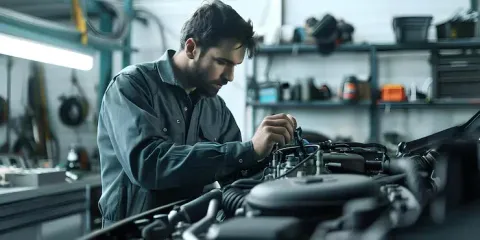
Back then, car batteries did just one job - get the engine running. These days, machines need power for screens that play music, gadgets that watch the road, lights that guide night travel, plus computers managing every move. All this pulling of electricity means knowing how long a battery lasts matters far more now.
Starting off strong, a battery works at its best right away. Then, slowly but surely, it begins to lose power over time. After many cycles, swapping it out becomes necessary. Heat plays a role in wearing it down faster. How you drive can either help or hurt its lifespan. Charging too often might shorten how long it lasts. Taking care of it day by day makes a difference in return.
Over time, watching how a car battery ages shows shifts in its power delivery. When things run smooth, folks notice; when hiccups start, they know something might be off. A shift here or drop there gives clues before failure hits hard. Patterns emerge simply by paying attention during regular use.
Importance
Most folks overlook how long a car battery lasts until things go wrong. Yet its lifespan shapes whether your ride fires up each morning. When charged properly, it powers electronics without hiccups. Without steady energy, lights flicker while signals lag behind.
Battery checks help things run without surprise hiccups. When systems keep an eye on power levels, breakdowns become less likely - say, when starting up at dawn or halfway through a cross-country drive.
A shaky power supply can disrupt more than just headlights. When a battery holds steady, every gadget inside the car keeps working - like radars that watch the road and computers tracking speed. The last thing anyone wants is silence where signals should be.
Awareness of the Car Battery Lifecycle Helps Address Practical Challenges
- Avoiding sudden breakdowns, by identifying early signs of battery decline
- Maintaining electrical efficiency, by ensuring stable power supply
- Planning timely replacement, by tracking battery condition
- Supporting safe driving, by preventing issues with lighting and ignition
Everyday drivers find things go better when they understand what’s happening behind the wheel. A clearer picture of how it works makes each trip feel less like a guess. Knowing helps them stay ahead, without surprises piling up along the way.
Recent Updates
Now showing up inside modern cars: tiny gadgets that watch batteries closely. Real time updates on heat, power, and electric pressure come straight from these small tools. Monitoring shifts happen because tech in vehicles keeps moving forward. Smart trackers replace old guesswork by giving live details. Changes in how energy storage works link directly to better system design.
Now showing up on dashboards: real-time battery checks built right in. Warnings pop up when power levels drop or performance slips. Seeing how it runs helps spot trouble before it stops you.
Now batteries live differently because cars plug in or mix fuels. Monitoring never stops since their power packs demand careful tracking. Special upkeep steps follow what older models never needed.
Out there, phones now talk straight to cars. Some of these links show how much juice the battery has left, while also tipping you off when something might go wrong.
Battery tech now lasts much longer than before. Thanks to better build quality, it handles tough environments well. Durability jumped when engineers rethought what goes inside. Performance stays strong even when temperatures swing hard.
Laws or Policies
Out in the open, temperature swings shape how long a car battery lasts. Rules about pollution step in when batteries get swapped out or tossed aside. What happens at each stage ties back to local laws watching over clean practices. Heavy metals inside must stay contained, thanks to strict oversight kicking in during recycling. Even roadside repairs follow guidelines meant to block leaks into soil or water.
Most discarded batteries in India fall under environmental safety codes. Rules like these exist so toxins do not leak into soil or water. Handling old power cells properly helps lower harm across cities and villages.
Among the Main Rules to Follow Are
- Used batteries must be handled properly, so recycling rules exist. These guidelines help keep dangerous materials under control. Safety comes first when dealing with old power sources. Rules are in place because mistakes can cause harm. Processing them right means less risk for everyone involved
- Environmental standards, limiting harmful substances in battery materials
- Vehicle maintenance guidelines, encouraging proper upkeep of components
- Safety regulations, ensuring batteries operate without risk
By encouraging greener habits, these rules cut down on harm to nature. They guide behavior toward cleaner outcomes while reducing strain on ecosystems.
Tools and Resources
From time to time, different gadgets keep an eye on how car batteries are doing. Because of this, owners learn what shape their power source is in. Some systems even guide upkeep steps along the way. With these aids around, handling battery life becomes less guesswork.
Common Tools Include
- Battery testers, which measure voltage and overall health
- Multimeters, which check electrical output and connections
- Alerts plus error codes come from onboard diagnostic setups
- Tracking how phone batteries change gets easier with certain tools. These programs keep an eye on power levels across days. One after another, they collect details without asking much. Over weeks, patterns start showing up clearly. Little by little, shifts become obvious through regular checks
- Charging devices, which help maintain proper charge levels
Car Battery Lifecycle Key Stages
- Right away the battery works just right, powering everything it should
- Over time things stay steady when used every day
- Little by little power fades a bit, starting takes more effort
- Now problems show up - lights dip, turning over drags
- Finally, holding charge slips away for good
From time to time, you might come across a car manual or some kind of auto handbook lying around. Vehicle upkeep tips often live inside those pages along with links to learning sites that explain how batteries react under different conditions.
FAQs
Car Battery Lifecycle Explained?
Battery life begins once fitted into a vehicle, continuing until its power delivery drops too low. Performance fades slowly over time, ending when reliable operation stops.
Tracking Car Battery Life Over Time?
Start watching how things run when power dips show up on screen. Voltage numbers give clues if you look close enough. Diagnostic programs help spot what eyes might miss. Performance shifts often come before bigger issues appear later.
What Are Common Signs of Battery Decline?
Electrical parts acting up might mean trouble. A sluggish crank when turning the key can point to issues. Lights that fade instead of staying bright are another clue. Sometimes systems respond unevenly, which fits the pattern.
Driving Habits and Car Battery Lifespan?
Frequent short drives might wear down a battery faster. Cold or hot weather often plays a role too. How often you use it matters just as much. Irregular patterns tend to add stress over time.
Car Battery Lifecycle When to Pay Attention?
Watch the battery often, particularly once it has been used a lot or seems slower than before.
Conclusion
Most trips start with a working car, yet few think about the battery until it fails. Though small, this part powers everything when engines turn on. Without checking voltage now and then, surprises happen at bad times. New tools let owners see problems before being stuck somewhere cold. Some models even send alerts if something feels off. A quick glance once in a while saves long waits later. Replacing fluid or cleaning terminals keeps connections strong. Even old batteries last longer with basic care done right. Smooth starts every time come not from luck but quiet upkeep.